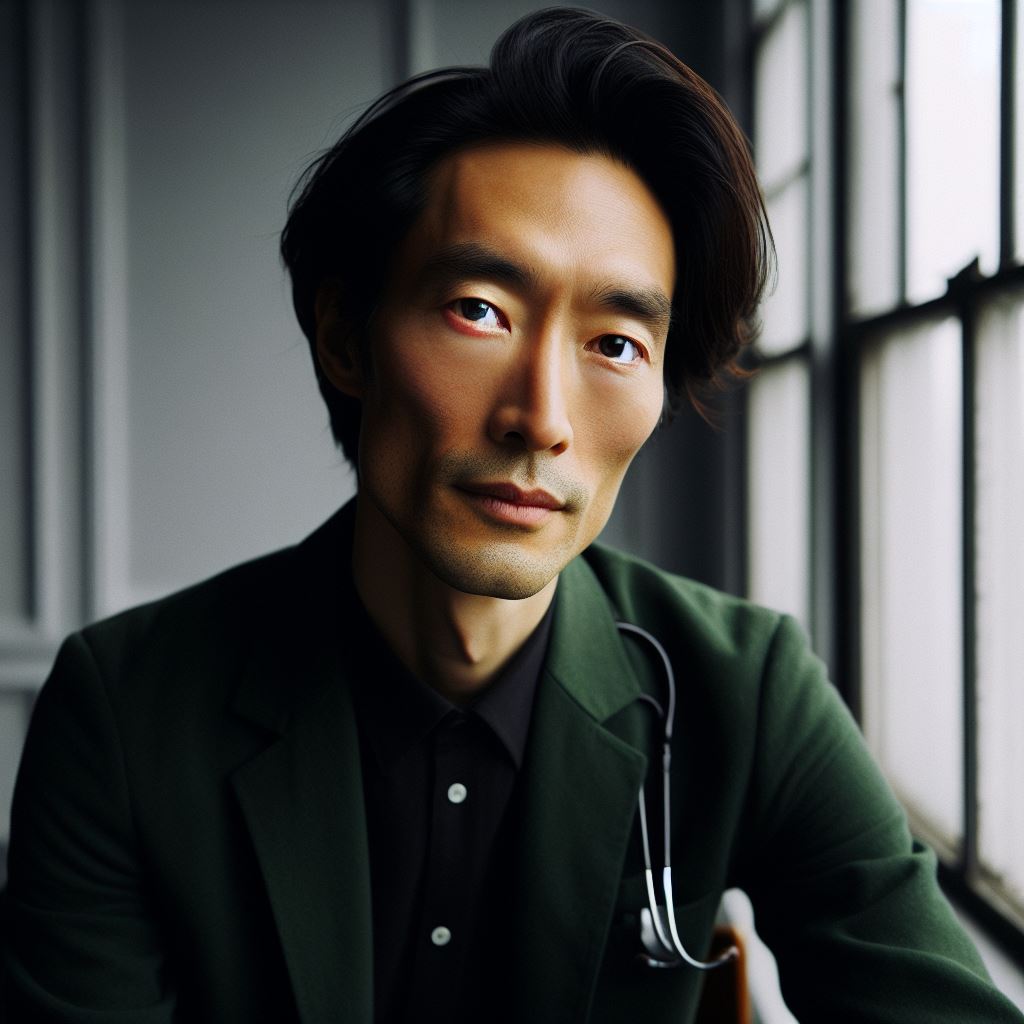
Many mental health nurses report deep fulfillment from making a tangible difference in patients’ lives, building trust-based relationships, and working in a field that prioritizes both personal growth and societal impact.
What are the benefits of being a mental health nurse?
Being a mental health nurse offers emotional rewards, job stability, diverse career paths, and the chance to create meaningful change in people’s lives
Mental health nurses often feel profound satisfaction when helping patients reclaim their lives. After someone regains autonomy or rebuilds relationships post-crisis, the impact lingers—not just for the patient, but for the nurse too. The U.S. Bureau of Labor Statistics backs this up: they project a 6% growth in mental health and substance abuse nursing jobs from 2022 to 2032, which is faster than average for all occupations. This career path also lets professionals carve out their niche, whether in child and adolescent mental health, geriatrics, or forensics. Many settings sweeten the deal with flexible schedules and funds for professional development. Honestly, this is one of those jobs where the rewards go far beyond a paycheck.
Why should I be passionate about mental health?
Passion for mental health comes from seeing it as the foundation for overall well-being, enabling people to thrive in every aspect of life
According to the World Health Organization (WHO), good mental health ripples through every area of life—physical health, relationships, even productivity. It’s not just about treating disorders; it’s about setting people up to live their best lives. Early intervention can prevent crises and save both individuals and healthcare systems a ton of long-term costs. A 2025 study in JAMA Psychiatry even found that people with access to mental health support were 34% more likely to hold down stable jobs. When you’re passionate about this field, it shows up in advocacy, education, and the care you provide. You’re not just treating symptoms—you’re empowering others to lead healthier, happier lives.
What are the 6 C’s in nursing?
The 6 C’s of nursing are care, compassion, courage, communication, commitment, and competence, as defined by NHS England in 2012
These principles were crafted to keep nursing practice grounded in patient-centered care. Care isn’t just about procedures—it’s about holistic support. Compassion means seeing the person behind the symptoms and responding with kindness. Courage comes into play when you advocate for patients, especially in tough ethical situations. Communication builds trust, while commitment keeps you growing professionally. Competence? That’s non-negotiable—it’s about staying sharp with clinical skills and evidence-based practices. Think of these six C’s as your compass in nursing. Without them, care risks losing its humanity.
Why do we need mental health awareness?
Mental health awareness helps people spot symptoms early, seek help without shame, and create communities that support recovery
The National Institute of Mental Health (NIMH) estimates that nearly one in five U.S. adults lives with a mental illness, yet only half get treatment. Awareness breaks down the barriers—it normalizes conversations, educates the public, and points people toward resources like crisis hotlines and therapy. It also pushes workplaces to adopt policies that accommodate mental health needs, so people can actually thrive on the job. Campaigns like Mental Health Awareness Month (May) and World Mental Health Day (October 10) aren’t just symbolic—they drive real cultural change. Without this awareness, too many people suffer in silence.
What is working in mental health like?
Working in mental health is deeply rewarding but emotionally taxing—it demands resilience, self-awareness, and rock-solid boundaries
You’re not just treating conditions; you’re walking alongside people through their darkest moments and watching them rebuild. That kind of connection can feel like a privilege, but it’s also intense. Providers manage crises, navigate complex emotions, and advocate for vulnerable individuals daily. A 2024 report from the Mental Health Foundation found that 68% of mental health workers reported high emotional exhaustion. To stick with this work, self-care isn’t optional—it’s essential. Many swear by peer support groups, therapy, and mindfulness to avoid burning out. It’s a career that gives back in ways that go beyond a paycheck.
What are the biggest risks of mental health nursing?
The primary risks in mental health nursing include patient self-harm, suicide, violence, neglect, and workplace hazards
A 2025 study in Psychiatric Services found that 42% of mental health nurses reported physical assaults in the past year. Suicide risk is another major concern—the CDC notes that mental health professionals face higher risks due to constant exposure to traumatic stories. Safeguarding vulnerable patients, like those with dementia or severe mental illness, is a huge responsibility. Organizations tackle this with de-escalation training, secure environments, and risk assessment protocols. Nurses learn to spot warning signs early and act fast to prevent harm. It’s a high-stakes field, but the training prepares you to handle it.
Do mental health nurses take blood?
Yes, mental health nurses perform clinical tasks like taking blood, giving injections, and managing IV drips alongside therapeutic care
Forget the stereotype—mental health nurses are fully licensed RNs who complete the same clinical training as general nurses. According to the American Nurses Association (ANA), they must keep up with physical health care skills, from monitoring vitals to managing medications. This dual role is crucial for patients with co-occurring conditions. Imagine a crisis in an inpatient unit: being able to draw blood or start an IV can stabilize someone faster than talk therapy alone. It’s this mix of clinical and compassionate care that makes mental health nurses so effective.
Is mental health nurse a good career?
Yes, mental health nursing is a solid career for those who want holistic care, variety, and work that truly matters
A 2025 report from the U.S. Bureau of Labor Statistics projects a 9% growth in psychiatric nursing jobs by 2032—faster than many other fields. Salaries vary, but the median for psychiatric nurses hit about $81,000 in 2026. The career path is wide open: community clinics, forensic units, crisis centers—you name it. Leadership and specialized roles offer even more growth. Many nurses say the emotional rewards outweigh the challenges, especially when they see patients regain stability and independence. If you’re looking for a career that makes a difference, this one delivers.
What are the 4 P’s in nursing?
The 4 P’s in nursing refer to Pain, Potty, Position, and Periphery—a framework to assess patient needs systematically
This mnemonic keeps nurses from overlooking critical basics. Pain assessment ensures discomfort doesn’t go unaddressed. Potty covers elimination needs, which might seem small but hugely impact dignity and hygiene. Positioning prevents complications like pressure ulcers, while Periphery involves checking circulation and skin integrity. It’s a simple but powerful tool, especially in fast-paced environments where every detail matters. Fun fact: these 4 P’s have nothing to do with the marketing version (Product, Price, Place, Promotion). Here, it’s all about patient safety and comfort.
What are the 4 domains of nursing?
The four domains of nursing are patient, environment, health, and nursing, as outlined by the American Nurses Association (ANA)
These domains form the backbone of nursing’s metaparadigm—they define what the profession is all about. The patient domain focuses on the whole person: physical, emotional, and social needs. Environment considers everything outside the patient, like family support or community resources. Health isn’t just the absence of disease; it’s about prevention, wellness, and managing chronic conditions. The nursing domain? That’s where you, the nurse, step in to deliver care. This framework keeps practice patient-centered and evidence-based. It’s the difference between treating a diagnosis and caring for a person.
What type of person makes a good nurse?
A good nurse combines empathy, emotional resilience, strong communication skills, and adaptability to meet diverse patient needs
Kindness isn’t optional—it’s the glue that builds trust with patients, especially during their most vulnerable moments. Emotional stability helps you stay steady in emergencies or crises without spiraling. Communication isn’t just about giving instructions; it’s about listening with empathy and clarity. Adaptability? That’s what lets you pivot when plans change—because in healthcare, they always do. A 2024 study in Nursing Management found that nurses with these traits not only have higher job satisfaction but also lower burnout rates. These qualities also make you a better teammate in multidisciplinary settings. Nursing isn’t just a job; it’s a calling that demands the best of you.
Do mental health nurses get paid more than general nurses?
Mental health nurses often earn slightly more than general nurses, especially in specialized roles or high-demand areas
A 2026 analysis by Nursing Times found mental health nurses in the U.S. average $84,000 annually, compared to $78,000 for general nurses. Location matters—a lot. In California, mental health nurses earn around $98,000, while rural states like Mississippi might pay closer to $70,000. Specialized roles, like psychiatric nurse practitioners, can clear over $120,000. These numbers reflect how critical mental health care has become. With demand surging, pay is likely to keep climbing. For those willing to step into high-need areas, the financial rewards are real.
Is mental health nursing difficult?
Yes, mental health nursing is emotionally and psychologically demanding due to intense patient interactions and the need for constant vigilance
Unlike some nursing roles focused solely on physical care, mental health nurses deal with complex emotions, trauma, and behavioral challenges daily. A 2025 survey by the American Psychiatric Association found that 72% of mental health nurses reported high emotional exhaustion, driven by exposure to patient distress and systemic pressures. The job requires strong coping mechanisms—peer support, mindfulness, or therapy—to manage secondary trauma. Yet, many nurses say the emotional toll is worth it for the meaningful connections and the chance to facilitate healing. It’s not for the faint of heart, but for those who thrive in it, the rewards run deep.
How do I become a good mental health support worker?
To excel as a mental health support worker, develop active listening skills, emotional intelligence, resilience, and a commitment to learning
Start with the right certifications—think Certified Peer Support Specialist (CPSS) or mental health first aid. Volunteer or take entry-level roles in community mental health to see the real-world needs firsthand. Self-care isn’t optional here; mindfulness or therapy can help you manage stress and avoid compassion fatigue. Strong communication skills are key—you’ll need to de-escalate conflicts and advocate for patients’ rights. The Substance Abuse and Mental Health Services Administration (SAMHSA) emphasizes reflective practice and supervision for support workers. These tools don’t just make you better at your job—they help you sustain it long-term.
What’s it like being a mental health nurse?
Being a mental health nurse means forming deep connections with patients, navigating crises, and balancing compassion with clinical expertise
One minute, you’re helping someone reflect on their progress in a quiet therapy session. The next, you’re responding to a crisis in the ER. It’s unpredictable, intense, and—dare I say—artistic in its own way. Nurses often describe it as “a mix of art and science,” blending evidence-based interventions with interpersonal skills. Yes, the shifts can be long and the emotions heavy, but there’s nothing like seeing someone reclaim their life because of your care. A 2025 study in the Journal of Psychosocial Nursing found that 85% of mental health nurses reported high job satisfaction when they felt their work made a tangible difference. That’s the kind of fulfillment you won’t find in many other careers.
Is mental health nursing stressful?
Yes, mental health nursing ranks among the most stressful nursing specialties due to emotional demands, high-risk situations, and systemic challenges
A 2025 study in Occupational Health Science found psychiatric nurses face stress levels comparable to those in emergency departments. Understaffing, patient violence, and the emotional weight of caring for people in crisis all take a toll. But stress isn’t uniform—your work environment and support systems make a huge difference. Nurses who join peer support groups, mindfulness programs, or resilience training tend to burn out less. The American Association of Critical-Care Nurses (AACN) recommends workload management and self-care strategies to cope. The key? Finding the balance between giving your all and protecting your own well-being.
Are mental health nurses in demand?
Yes, mental health nurses are in high demand, with the U.S. facing a shortage that’s expected to last through 2032
The Health Resources and Services Administration (HRSA) projects a deficit of up to 120,000 nurses by 2030, and mental health roles make up a big chunk of those unfilled positions. Why? More people are seeking help, insurance coverage is expanding, and an aging workforce is retiring. Rural and underserved areas are hit hardest—some report vacancy rates as high as 25%. To fill the gap, organizations are offering signing bonuses, loan forgiveness, and flexible schedules. If you’re considering this field, job security isn’t the only perk. It’s a chance to step into a role that’s both needed and deeply meaningful.
Edited and fact-checked by the FixAnswer editorial team.